
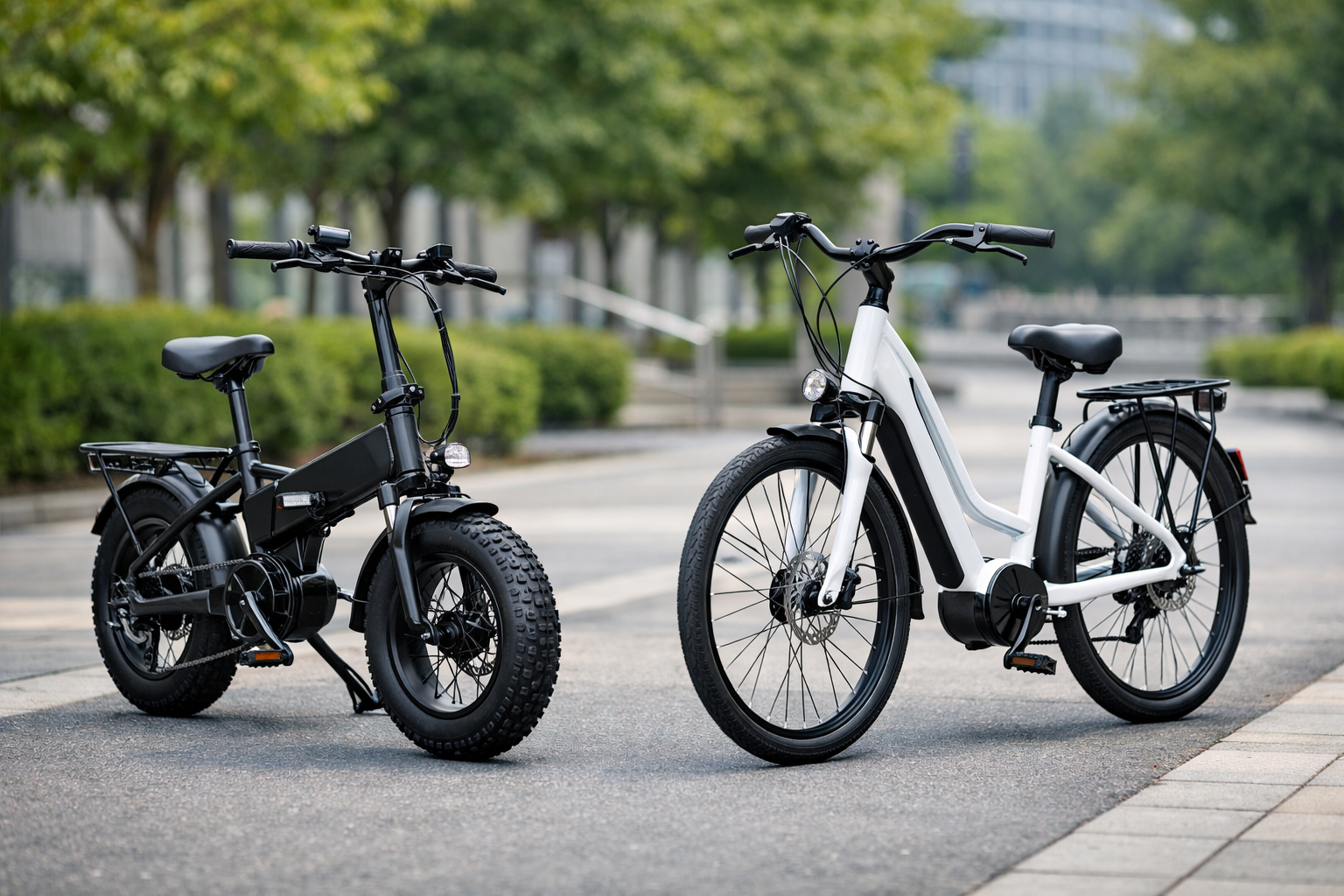
Choosing between two electric bikes can feel harder than choosing your first one.
On paper, many models look nearly identical. They may use similar motor wattage, comparable battery sizes, fat tires, suspension forks, and a near-identical top speed. But once you look closer, the differences that matter most to buyers become clearer.
This guide is here to help you compare electric bikes the right way. Instead of getting stuck on marketing language or one standout spec, you will learn how to judge the features that actually affect comfort, usefulness, ride feel, storage, and long-term satisfaction.
Whether you are comparing two commuter ebikes, two fat tire models, or a folding bike against a full-size alternative, this hub will help you make a smarter buying decision.
Why Electric Bike Comparisons Matter
A lot of shoppers do not need more options. They need better filters.
The problem is not usually a total lack of choices. The problem is narrowing down several decent-looking options that all seem to promise the same thing. That is where comparison content becomes useful.
A strong electric bike comparison helps you:
- see meaningful differences beyond headline specs
- avoid buying a bike that looks good on paper but fits your use case poorly
- identify which trade-offs are worth making
- decide whether a cheaper model is actually the better value
- spot when paying more gets you something that really matters
For many buyers, the final decision comes down to fit, use case, utility, comfort, and confidence rather than just raw power.
What To Compare First
Before comparing two electric bikes side by side, start with the basics.
If one bike does not fit your intended use, the rest of the comparison does not matter much. A folding bike and a large all-terrain fat tire ebike may both be appealing, but they solve very different problems.
Start with these questions:
1. What Type Of Riding Will You Actually Do?
Think about your most likely real-world use, not your most optimistic one.
Ask yourself:
- Will you mostly commute on pavement?
- Do you want comfort for neighborhood rides and errands?
- Are you planning to ride trails, gravel, sand, or mixed terrain?
- Do you need a bike that folds for storage or transport?
- Do you want cargo space for groceries, bags, or a child seat?
- Do you need a step-through frame for easier mounting and dismounting?
The right electric bike for daily commuting is not always the right bike for off-road riding, and the best folding ebike is not always the best value for long weekend rides.
2. Which Features Are Must-Haves?
Many buyers waste time comparing bikes that should have been eliminated earlier.
Decide which features are non-negotiable for you, such as:
- step-through frame
- folding design
- fat tires
- rear rack
- hydraulic brakes
- front suspension
- higher payload capacity
- longer claimed range
- integrated lights
- torque sensor or cadence sensor preference
Once you know your must-haves, you can compare only the models that deserve your attention.
3. What Is Your Real Budget?
Price matters, but value matters more.
A lower-priced ebike may still be the better purchase if it fits your needs well and includes the features you care about most. On the other hand, paying more can be justified if the upgrade improves comfort, storage, braking, fit, or everyday usefulness in a way you will actually notice.
Try to think in terms of total buying confidence, not just sticker price.
The Most Important Electric Bike Comparison Factors
When you compare similar models, these are usually the factors that matter most.
Frame Style And Overall Design
The frame changes far more than appearance.
It affects mounting ease, rider confidence, storage practicality, handling feel, and who the bike is best for. Two bikes with similar power figures can still feel very different because of the frame design.
Look at:
- step-over vs step-through frame
- folding vs non-folding design
- frame geometry and riding posture
- rack and fender integration
- overall layout for utility and daily use
A buyer who wants easy on-and-off access may prefer a step-through model even if a step-over version looks sportier. A shopper with limited storage may be much better served by a compact folding bike than a larger full-size model with similar specs.
Motor And Power Delivery
Motor size matters, but not in isolation.
Many buyers focus heavily on wattage, but motor output is only part of the story. What matters more is how the bike is likely to feel during starts, hill climbs, and steady riding.
When comparing motor performance, look at:
- motor wattage
- torque, if published
- Class 2 or Class 3 capability
- throttle availability
- pedal-assist system type
- stated top speed
Two bikes can list similar power figures but still target different riders. One may be better suited to flatter pavement and casual use, while another may be positioned for heavier riders, hillier areas, or more demanding terrain.
Battery Size And Claimed Range
Battery comparisons are often oversimplified.
Claimed range numbers can help, but they should never be treated as guaranteed real-world performance. Rider weight, speed, terrain, wind, assist level, tire pressure, and cargo all affect how far an ebike can go.
Instead of asking which bike has the biggest advertised range, ask:
- Which battery is larger on paper?
- Which bike is more likely to match my riding style?
- Is the range claim realistic for how I plan to ride?
- Would I rather have a lighter bike with enough range or a heavier bike with more battery capacity?
Range matters most when it directly supports your actual routine.
Weight, Portability, And Storage
This category gets ignored too often.
A bike can look excellent online but become frustrating in daily life if it is too heavy, too bulky, or too awkward for your storage setup. This is especially important for apartment dwellers, RV owners, commuters, and anyone considering a folding model.
Compare:
- overall bike weight
- folded size, if relevant
- ease of lifting or transporting
- rack compatibility
- storage footprint at home or in a vehicle
If you need to carry the bike up stairs, fit it into a trunk, or store it in a tight area, portability may matter more than raw power.
Tires, Suspension, And Ride Feel
Not every rider needs fat tires or heavy suspension.
Some buyers benefit more from a lighter, more pavement-friendly bike with efficient tires and a comfortable riding position. Others want the extra cushion and confidence that come with wider tires and suspension on rougher surfaces.
When comparing ride comfort and control, look at:
- tire size and width
- front suspension or full suspension
- intended terrain
- likely comfort on pavement
- likely comfort on mixed surfaces
The better choice depends on where you ride most often, not just which setup sounds more rugged.
Brakes And Everyday Control
Good braking support can matter as much as motor power.
This is particularly true on heavier bikes, faster bikes, and utility-focused models. Stronger braking can improve confidence, control, and day-to-day safety, especially in traffic, wet conditions, or hilly areas.
Compare:
- hydraulic vs mechanical brakes
- rotor size, if published
- bike weight relative to braking setup
- overall intended speed and use case
This is one of those categories where the better bike may simply be the one that feels easier to control in real conditions.
Payload, Utility, And Practical Use
A lot of electric bike shoppers are not just buying for recreation. They are buying for errands, commuting, hauling gear, or replacing short car trips.
That makes utility a serious comparison point.
Look at:
- payload capacity
- rear rack inclusion
- fenders
- lights
- passenger capability, if applicable
- basket or cargo compatibility
- daily convenience features
A bike that is slightly less flashy but more practical can easily become the better long-term choice.
Fit, Comfort, And Rider Confidence
Comfort is one of the biggest reasons buyers end up happy or disappointed.
A bike can have attractive specs and still feel wrong if the fit, posture, or mounting style does not work well for the rider. This matters even more for beginners, older adults, shorter riders, and anyone prioritizing stable everyday use.
Think about:
- rider height range
- frame access
- upright vs aggressive posture
- saddle and handlebar position
- confidence at stops and low speeds
For many people, the best electric bike comparison outcome is simply finding the model that feels easier to live with.
How To Compare Value, Not Just Price
The cheapest bike is not automatically the best buy.
The most expensive bike is not automatically the smartest upgrade either.
Value usually comes from the combination of:
- the features you will actually use
- how well the bike fits your lifestyle
- how many compromises you are making
- whether the price jump solves a real problem for you
A useful comparison asks: what do I gain by spending more, and will I personally benefit from those upgrades?
For example, spending more may make sense if it gets you:
- easier storage through a folding design
- better braking on a heavier bike
- a more comfortable frame style
- more utility for errands and daily use
- a battery setup that better fits longer rides
But if the added cost mostly buys features you do not need, the lower-priced option may still be the stronger value.
Best Ways To Compare Similar Electric Bikes
If you are down to two or three models, use this simple process.
Step 1: Eliminate The Wrong Category
Do not compare bikes that solve different problems unless you are still deciding between categories.
For example:
- folding vs full-size
- commuter vs all-terrain
- cargo-focused vs casual cruiser
- compact utility vs adventure-style fat tire bike
Start by making sure the bikes belong in the same serious consideration set.
Step 2: Choose Your Top Three Priorities
Pick the three things that matter most to you.
Common examples include:
- comfort
- storage
- hill performance
- range
- budget
- ease of mounting
- cargo ability
- portability
This helps prevent one flashy spec from distracting you from your actual needs.
Step 3: Compare Daily-Life Friction
Ask which bike is more likely to be easy to own.
Think about:
- where it will be stored
- how often it will be lifted or transported
- how easy it will be to get on and off
- whether it suits your regular route
- whether it supports your typical errands or carrying needs
The better bike is often the one with fewer daily annoyances.
Step 4: Read Reviews With The Right Lens
When you read electric bike reviews, do not just look for positive or negative verdicts.
Look for clues about:
- who the bike is really for
- what compromises come with the design
- whether the size and weight are manageable
- what kind of terrain it seems best suited for
- whether the comfort and utility match your use case
That is one reason review hubs and comparison hubs work well together. Reviews help you understand a bike in isolation. Comparisons help you judge it against alternatives.
Common Electric Bike Comparison Mistakes
A lot of buyers make the same comparison errors.
Avoid these:
Focusing Too Much On Wattage
More motor power is not always the feature that changes your ownership experience the most.
Treating Claimed Range As Guaranteed
Range claims are useful references, not promises.
Ignoring Weight And Storage
This becomes a major regret point for many buyers, especially with larger fat tire models.
Comparing Bikes From Different Use Cases
A compact folding bike and a large off-road model may not belong in the same final decision set.
Underestimating Comfort And Mounting Ease
What feels manageable every day often matters more than what sounds exciting in a product listing.
Who Benefits Most From Comparison Content
Electric bike comparison guides are especially useful for:
- first-time ebike buyers
- riders choosing between two similar-looking models
- shoppers with a strict budget
- apartment dwellers and RV owners
- riders who need practical daily utility
- buyers comparing step-through, folding, commuter, or fat tire options
If that sounds like you, comparison-first research can save time and reduce buyer hesitation.
Explore More Electric Bike Buying Guides
You may also want to browse more electric bike reviews if you are still narrowing down categories.
If you are comparing models within a single brand, our AIPAS ebike review, VIVI ebike review, and Puckipuppy reviews guides can help you evaluate different lineups more efficiently.
And if you are thinking beyond the bike itself, our electric bike accessories guide can help you build a safer and more practical setup.
As this section of the site grows, this hub will also connect you to more direct brand-vs-brand and model-vs-model comparison content.
Final Thoughts
The best electric bike comparison is not the one with the longest spec sheet.
It is the one that helps you understand which bike is a better fit for how you will actually ride, store, use, and live with it.
When two models seem close, focus less on headline hype and more on the details that affect real ownership: frame style, comfort, storage, utility, range expectations, and everyday confidence.
That is usually where the right choice becomes clearer.
